
cropper
update

ARIZONA BRIGHT LIVING

cropper
update
  • Home
  • Beauty
  • Health & Wellness
  • Home & Garden
  • Lifestyle
  • Money and Finance
August 26.2025
3 Minutes Read

Why Post-Weight Loss Skin Quality Should Be Your Top Concern

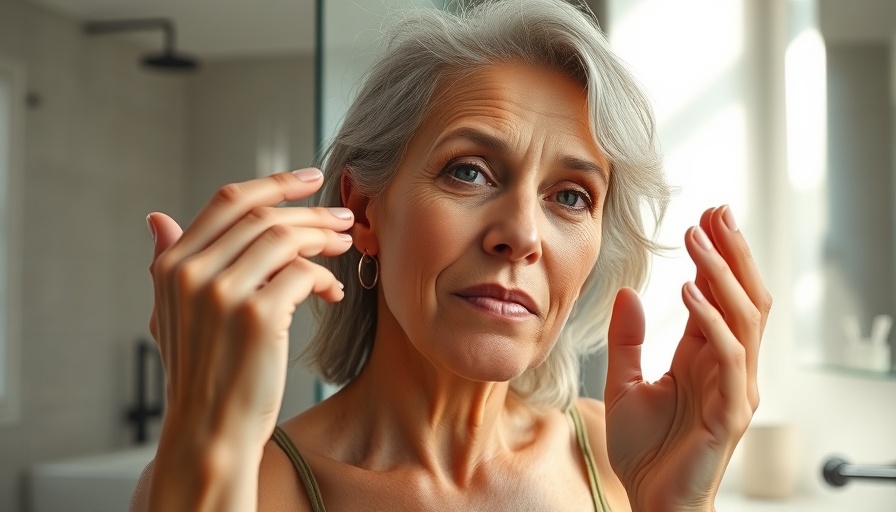
Woman examining skin after weight loss in a serene bathroom setting.

Understanding Skin Quality After Weight Loss

Weight loss can be a significant achievement, offering countless health benefits and renewed energy. Yet, many journeying through this transformation often find themselves grappling with unexpected challenges—specifically, issues related to skin quality. When the body sheds pounds, the skin, which struggles to keep pace, can exhibit signs of laxity, hollowness, and altered texture. This article explores why skin quality matters post-weight loss and offers insights from leading experts in dermatology and cosmetic surgery.

The Science Behind Skin Changes

As noted by Dr. Jeffrey Wise, a facial plastic surgeon, significant weight loss often results in a reduction of facial fat that contributes to the skin's structure and support system. "Patients lose a lot of the facial fat that’s critical for maintaining the integrity and strength of the face," he explains. As the fat pads shrink, it can lead to sagging and a less defined jawline. The upheaval is not limited to the face; skin on the body can undergo similar changes, with many people experiencing laxity and discomfort.

This is compounded by how the body reacts during weight fluctuations. The platysma muscle in the neck, which stretches during weight gain, rarely snaps back after weight loss. This leads to sagging skin known as cervical facial laxity. According to Dr. Dilip Madnani, weight loss can lead to a thinner skin layer, resulting in decreased jaw and neck definition.

Common Skin Quality Issues

Experts across the country report that after weight loss, individuals often experience multiple skin quality issues. Miami dermatologist Dr. Deborah Longwill points out loss of firmness, reduced elasticity, and hollowness as common effects. For many, aging, sun exposure, and genetic factors may also already compromise collagen and elastin levels, making it even harder for the skin to bounce back post-weight loss.

But it’s not just skin that suffers; hair and nails might weaken too. Rhinologist Daniel Schlessinger highlights that when the body adjusts its metabolism, shedding hair (known as telogen effluvium) can occur, similar to experiences after severe illness or childbirth. Individuals may find themselves disheartened not just by their skin’s appearance but also by unexpected changes to their hair and nails.

Restorative Treatments and Options

For those facing significant skin challenges post-weight loss, a range of effective treatments is available. Dr. Madnani suggests that facelift and necklift procedures are optimal for patients who require substantial rejuvenation. However, for those preferring non-surgical options, tightening devices that stimulate collagen and elastin production may prove beneficial, contingent on the skin’s baseline quality.

Furthermore, Dr. Longwill emphasizes the importance of collagen-stimulating treatments like Morpheus8 radio-frequency microneedling and biostimulatory injectables such as Skinvive or Sculptra. These treatments can help restore skin vitality, providing a plumper and healthier appearance over time.

Daily Care and Maintenance

In addition to professional treatments, incorporating quality skincare into daily routines is critical for enhancing skin quality post-weight loss. According to Dr. Joel Schlessinger, a combined regimen of in-office treatments like Sciton’s SkinTyte and medical-grade skincare products can lead to significant improvements in skin elasticity. Recommended products such as SkinCeuticals A.G.E. Interrupter Ultra Serum, Revision Skincare BodiContour, and Alastin Restorative Skin Complex play essential roles in supporting thought-out regimens that rejuvenate and maintain skin health.

Addressing Your Concerns

It’s natural to feel overwhelmed about changes after weight loss. Understanding that these concerns are common can offer some comfort. Taking proactive steps—whether through a well-guided skincare routine or consulting with healthcare professionals for tailored treatments—can position individuals for a healthier and more confident appearance. Remember, each journey is unique, and it’s essential to address concerns with personalized solutions.

Call to Action

With the right knowledge and resources at your disposal, you can manage and improve your skin quality after weight loss. Don't hesitate to consult with a dermatologist or cosmetic surgeon to explore options tailored specifically to your needs. Embrace your journey, and invest in the care that you deserve.

Beauty

8 Views

0 Comments

Write A Comment

*
*
Please complete the captcha to submit your comment.
Related Posts All Posts
01.21.2026

Navigating K-Beauty and J-Beauty: Unlock the Best Skin for You

Update Understanding K-Beauty and J-Beauty: A Comparative Overview The world of skincare is constantly evolving, with beauty traditions from Asia taking center stage in recent years. At the forefront of this beauty revolution are two distinct approaches: Korean beauty (K-beauty) and Japanese beauty (J-beauty). While both methods emphasize clear, healthy skin, they embody drastically different philosophies and routines. For many seeking the best way to enhance their skin texture and overall glow, understanding these differences can be a game changer. K-Beauty: The Art of Layering Hydration K-beauty is renowned for its intricate and multi-faceted skincare routines, often encompassing numerous steps—sometimes up to ten or more. The central tenet of K-beauty is hydration, which is achieved through layering various products that are gentle on the skin. This approach focuses on long-term skin health rather than quick fixes, relying on soothing ingredients that support the skin's natural barrier and promote cell turnover. Esthetician Kristyn Smith highlights that Korean skincare avoids inflammatory treatments to stimulate profound change, opting instead for a regimen of low-level actives and calming compounds. This layering technique allows products to penetrate deeply and effectively provide moisture, aiding all skin types, especially those needing extra hydration or prone to dryness. J-Beauty: Simplicity and Preservation In contrast, J-beauty tends to favor a more minimalist approach. Emphasizing preservation, the philosophy focuses on maintaining the skin in its healthiest state rather than provoking change. J-beauty routines typically incorporate fewer products, often comprising lightweight formulations designed to deliver combined benefits without overwhelming the skin. As described by esthetician Danielle Gamble, this method involves gentle, uncomplicated steps tailored for overall skin health. The Japanese style also relies on traditional ingredients and rituals, such as the celebrated double-cleansing method, ensuring the skin is thoroughly clean yet well-prepared for subsequent hydration. Similar Goals, Distinct Paths Despite their differing techniques, both K-beauty and J-beauty share a foundational goal: achieving healthy, youthful-looking skin. Both emphasize hydration, sun protection, and using high-quality ingredients, as noted by dermatologist Anna Guanche. The core differences reside in their methodologies—K-beauty is dynamic and experimental, offering a plethora of options, while J-beauty stays rooted in tradition and functionality. Which Approach Works Best for You? Your skin type might incline you towards one approach over the other, but experts suggest there's no strict division necessary. As Smith notes, there’s significant value in adapting elements from both K-beauty and J-beauty to optimize your skincare routine. For example, while K-beauty might appeal to those looking for active ingredients and visible change, those with sensitive skin or seeking a gentler regimen may find more success with the J-beauty philosophy. Combining Both Worlds: Personalizing Your Routine Ultimately, your skincare routine should revolve around your unique skin needs and preferences. Many successful beauty enthusiasts blend concepts from both K-beauty and J-beauty, creating a customized regimen that enhances their natural complexion while ensuring long-term health. As you explore these varied approaches, it’s essential to be mindful of how your skin reacts—experimenting with different products and routines can lead you to discover what feels best for you. Start by introducing a hydrating product from K-beauty, such as an ampoule or essence, while also including J-beauty staples like lightweight lotions. Real-Life Experience and Tips Incorporating insights from real-life experiences, emulating the expert advice can be invaluable. As you test various regimes, pay attention to your skin's reactions, and don't hesitate to reach out to skincare specialists for tailored guidance. Sharing your journey through social media or beauty communities can also be a motivating way to stay committed to your skincare goals. Conclusion: The Fusion of K-Beauty and J-Beauty Whether you are more drawn to the vibrant and layered dynamics of K-beauty or the simple sophistication of J-beauty, the exploration of both can enrich your skincare regimen. Keep in mind that the journey to healthy skin is just as essential as the destination. Embracing both philosophies allows for a well-rounded approach to skincare that celebrates the features of diverse routines. Are you ready to explore the fusion of K-beauty and J-beauty in your daily routine? Choose products that resonate with your skin type and needs, and enjoy the journey towards radiant skin!

01.20.2026

Navigating Your Post-GLP-1 Eating Plan: Essential Strategies for Success

Update Understanding the Transition: What Happens After GLP-1 Treatment As more men and women turn to GLP-1 medications for effective weight loss, understanding what happens post-treatment has become critical. When the time comes to stop these medications, it's common for apprehensions to surface, particularly the fear of weight regain. The truth is, your body has grown accustomed to the appetite suppression and gastric regulation provided by GLP-1s. This means a return to more intense feelings of hunger once the medication is discontinued. Instead of viewing this adjustment as a setback, recognizing it as a natural biological recalibration can empower you to take control of your eating habits. Strategizing Your Post-GLP-1 Eating Plan One of the most effective ways to navigate life after GLP-1s is to plan ahead. Don't leave your nutritional strategy to chance; establish a clear eating plan while you're still benefiting from the medication's appetite suppression. Start by prioritizing nutrient-rich foods that keep you satiated and help manage hunger as you transition. As Lizzy Swick suggests, focusing on whole foods—those minimally processed—provides essential nutrition and promotes long-term health. Think fresh fruits and vegetables, whole grains, healthy fats, and lean proteins. This holistic approach supports not only physical health but also emotional wellness as you learn to enjoy food without it dominating your life. The Nutritional Foundations for Success Your body thrives on balance, especially as your metabolism recalibrates after discontinuing GLP-1s. Leading nutritionists recommend establishing three key pillars for a successful transition: Prioritize Protein: Incorporating lean protein at every meal helps curb hunger and maintain muscle mass. Sources like chicken, fish, plant-based proteins, and legumes are excellent choices. Maximize Fiber Intake: Fiber-rich foods like whole grains, fruits, and vegetables are crucial for supporting digestion and promoting satiety. Portion Control: Learning to manage portions can prevent feelings of bloating and help you enjoy a range of foods without overindulging. Small plates, pre-portioning meals, and mindful eating practices are useful techniques to develop. Finding Joy in Eating Again One of the surprising benefits of stopping GLP-1 medications is the renewed joy in eating. Food can taste richer and meals feel more satisfying. However, it’s vital to approach this newfound enjoyment with intention to avoid the pitfalls of overconsumption. Opt for treats that satisfy without harmful additives—such as high-quality dark chocolate or fresh fruit—over processed snacks that might trigger cravings. Developing a Supportive Community Don’t tackle this transition alone. Building a support network—comprising health professionals, friends, and family—can provide the necessary encouragement and accountability. Effective communication with your loved ones about your goals can redirect social interactions from calorie-laden gatherings to healthier ones, like active outings or shared cooking experiences. Redefining Success in Your Journey Redefining what success looks like after GLP-1 treatment is essential. Instead of fixating on a specific weight, aim for maintaining a healthy relationship with food, and being in tune with your body's signals for hunger and fullness. Accepting that fluctuation is a natural part of weight maintenance will allow for a more forgiving and emotionally healthy approach to food. Final Thoughts: Embracing Growth and Change The journey post-GLP-1 is ultimately about embracing the changes in your body and mindset. It can feel overwhelming, but the combination of a thoughtful nutritional strategy, the joy of eating, and a supportive community can facilitate a smoother transition. By taking actionable steps now, you can foster a sustainable, balanced relationship with food that stands the test of time. To continue this journey successfully, consider reaching out to a nutrition professional who specializes in weight management. They can help you personalize your eating plan and provide the support necessary to thrive in this new chapter.

01.17.2026

Nostalgia Strikes: A Look Back at 2016 Makeup Products

Update Rediscovering the 2016 Makeup Aesthetic In the realm of beauty, 2016 was like a rollercoaster ride—full of drama, experimentation, and more than a dash of nostalgia. As we peer back into the past with a fondness mixed with cringes, we can’t help but remember the wild makeup trends that defined us. Wide, exaggerated brows and heavy contour were all the rage, influenced heavily by social media trends echoing through our feeds. Makeup was not only a form of self-expression but also a vibrant way to join the global conversation about beauty, fostering a sense of belonging among makeup enthusiasts everywhere. The Iconic Products That Shaped a Generation From the moment we applied Anastasia Beverly Hills Dipbrow Pomade to define our brows, to the countless selfies enhanced by Urban Decay’s Naked3 Palette, certain products have carved out a nostalgic niche in our hearts. The Wet n Wild Color Icon Rainbow Highlighter might not have been functional; its vibrant colors brought joy simply from being eye-catching. And who could forget the Tarte Shape Tape Concealer? It became synonymous with full coverage, turning everyday beauty routines into artistry. Pop Culture and Makeup Trends: A Symbiotic Relationship The interplay of makeup and pop culture in 2016 was striking. Featured on countless beauty blogs and tutorials, these products transformed into cult favorites almost overnight. Kylie Jenner's Matte Lip Kit sparked a frenzy that had beauty aficionados scouring stores, eager to mimic her looks. It was a year when tutorials brought democratization to beauty, empowering people to learn techniques from home and redefine their identities through makeup. Looking Back at the Chaos with a Smile Indeed, the vivid memories of countless makeup hauls, trial and error in application, and enthusiastic YouTube tutorials make us realize the essence of 2016 beauty was an exploration of self. There was an innocence about it—a tendency to go overboard with shimmering highlighters, striking contour lines, and bold lip colors was just part of the fun. This chaotic optimism mirrored societal moods, where makeup was our refuge from the outside world. The Shift to a More Natural Era Fast forward to today, where the beauty industry is shifting once again. We’ve seen a major move towards embracing minimalism and natural looks, largely influenced by changing attitudes surrounding skin care and health. Yet, the playful spirit of 2016 persists, despite it evolving into something more subtle. As we cherish the iconic products of that vibrant time, we also find ourselves integrating lessons learned into a new narrative—one that harmonizes skincare with makeup for a more holistic approach. Embracing the Nostalgia—It’s More Than Just Makeup As we collectively scroll down memory lane, it becomes clear that the makeup trends of 2016 hold more than just products; they embody a moment in time. This nostalgia isn’t merely about the looks, but about the experiences, friendships, and the sense of community built around a shared love for beauty. We celebrate the ebbs and flows of this artistry, acknowledging the beauty industry's vast landscape while cherishing the outlandish experiments that brought us together. Your Turn to Celebrate the 2016 Era So, whether you still have your trusty Kylie Lip Kit or you recently stumbled upon your Urban Decay Naked Palette, don’t hesitate to dive back into the joy of makeup experimentation. The products may evolve, but the spirit of fun remains alive. As you journey through your own beauty evolution, embrace the playful aspects of makeup because that is where the magic lies. Explore the beauty trends of the past, reel in the nostalgia, and create looks that resonate with your unique style today!

Terms of Service

Privacy Policy

Core Modal Title

Sorry, no results found

You Might Find These Articles Interesting

T
Please Check Your Email
We Will Be Following Up Shortly
*
*
*