

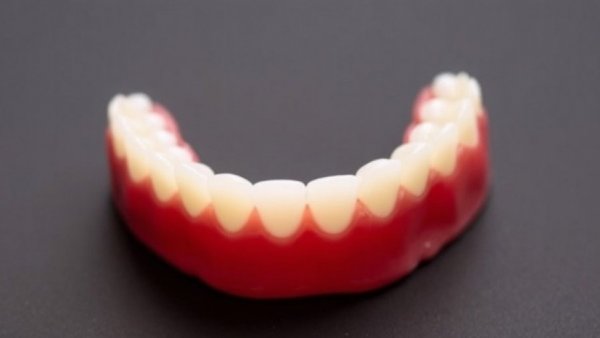
Updated Guidelines Bring Clarity for Denture Wearers
The Oral Health Foundation has responded to ongoing confusion surrounding denture care by releasing updated guidelines for denture cleaning and adhesive use. Health professionals now have access to more coherent, straightforward recommendations, helping them provide precise advice to patients. The release of these guidelines comes in response to findings that denture wearers often receive inconsistent information about everyday care practices, undermining their confidence in managing their oral health.
The Struggle with Conflicting Advice
Many denture wearers have experienced the challenge of navigating various recommendations on how to clean their dentures effectively. Some may be told to avoid certain cleaning products, while others suggest their regular use, causing a sense of uncertainty. What’s more, patients frequently disagree among caregivers about the appropriate amount of adhesive to apply, leading to potential misuse that can negatively affect their overall denture experience. The updated guidelines are designed to eliminate this confusion by offering a quick-reference graphic that summarizes essential cleaning and adhesive practices, making it easier for health professionals to share this information during consultations. This accessibility can significantly reduce the stress and anxiety that come with managing denture care.
Why Consistency Matters in Denture Care
Consistency in advice not only assists patients but also empowers dental professionals to identify when their patients need further attention. When patients receive uniform guidance, it fosters a sense of trust in their healthcare providers and encourages better compliance with recommended care practices. With clearer guidelines, practitioners can help spot potential issues more effectively, leading to better oral health outcomes long-term. This initiative leads the way toward better communication strategies within dental practices, ultimately benefiting the patient’s understanding of their own oral health. As patients grow more knowledgeable about their care, they are likely to feel more in control, which can positively impact their overall well-being.
Expert Contribution to Enhanced Guidelines
Supported by a grant from Haleon, the revision of these guidelines involved prominent figures in dentistry, including Dr. Rachael England from the Oral Health Foundation and Delroy Reeves, a former president of the Dental Technicians Association. Their collaboration highlights the collective effort to advance dental standards, ensuring that patients are appropriately guided in their denture care journey. By uniting experts from various facets of dental care, the initiative fosters innovation and a fresh perspective on long-standing practices, aiming to improve the quality of life for denture wearers.
Social Impact of Improved Dental Health Practices
The updates carry significant implications not only for individual denture wearers but also for society as a whole. Solid denture care practices promote confidence among users, allowing them to engage more fully in social situations without the fear of discomfort or embarrassment. This aspect of oral health is crucial, as it connects directly to one’s lifestyle and choices, impacting self-esteem and quality of life. For many, dentures are more than just a health necessity—they play a key role in how we perceive ourselves and how we interact with others. Improved care practices can lead to a more active and fulfilling social life, thereby reinforcing the importance of addressing oral health in the broader context of mental and emotional well-being.
Looking Forward: The Future of Denture Care
As the healthcare landscape evolves, so do patients’ needs and expectations regarding dental advice. The Oral Health Foundation's revised guidelines will likely pave the way for future advancements in patient care. These guidelines reflect a broader trend toward harmonizing health practices, giving a unified voice in the health community to promote the best care possible for patients. The implementation of these recommendations can serve as a model for other areas of healthcare that require greater clarity and consistency. By setting a precedent, this initiative could inspire further similar efforts, fostering a spirit of cooperation among health professionals aimed at improving patient outcomes.
Take Action: Embrace Better Dental Health
Health is undoubtedly a personal journey, and while navigating that journey, the new denture cleaning and adhesive guidelines can serve as a compass. For dentists and caregivers, embracing these updated practices means empowering patients to achieve the best oral health outcomes possible. It is essential for health practitioners to not only understand these guidelines but also to effectively communicate them with their patients. Share the updated guidelines with those who need them, and consider how you can incorporate this knowledge into daily care practices. Additionally, encourage patients to ask questions and share their experiences, fostering an open dialogue that reinforces trust and understanding. Together, these steps contribute to a collective effort to elevate oral health standards and improve patients' quality of life.




Write A Comment